Improving lives,

improving communities

How Triple P can benefit your organisation

About us

Triple P – Positive Parenting Program® – build stronger whānau through a flexible suite of parenting programmes. We are backed by research and proven by millions of whānau and parents around the world – giving them the tools and skills they need to build a loving bond with their tamaiti/child and promote their development, mental health and wellbeing.

Triple P is the world’s leading whānau/parenting programme. We are chosen in over 30 countries around the world to provide support, often provided free of charge to whānau/parents, including in parts of the Aotearoa/New Zealand, UK, Australia, and the US. We offer a flexible suite of over 25+ interlocking interventions to create a sustainable population-health approach to tamaiti/child and whānau/family well-being.

Triple P programmes take a non-judgemental, positive approach to parenting – and we have 35 years of research to demonstrate the efficacy of this approach.

We can work with you to put in place powerful and ongoing solutions for meaningful, measurable changes in whānau/family resilience and functioning.

This section of our website is designed to guide professionals, practitioners and organisation personnel through the Triple P system.

What is Triple P? Triple P in a nutshell.

<

Triple P Programmes

Triple P offers a flexible suite of over 25 programmes, designed to offer general parenting support or more targeted support in specific circumstances.

Whether through kaupapa Māori and community support organisations, or independently learning from home, online or in person, something brief or longer term - there’s guaranteed to be a Triple P programme that can fit the whānau/family you support.

Our policy chart offers a simple snapshot of how these programmes might be applied in different settings.

We can help you determine the best programme for your area - request a call with us here.

These are some of Triple P’s most popular programmes

  • Triple P 1-12 years
    Group, Online

    For whānau and parents of tamariki/children under 12 years old

    Triple P 1–12 covers a range of topics to meet the specific needs of whānau and parents, from the early years through to the primary period of childhood. Topics include strengthening whānau/family relationships, establishing effective routines, teaching new skills and regulating emotions.

  • Teen Triple P
    Standard, Group, Online

    For whānau and parents of taitamariki/pre-teens/teens approx. 10-16 years

    Teen Triple P is useful to whānau and parents with taitamariki/pre-teens/teens, who want to create the best atmosphere for their teenager’s development.

    It can help give whānau and parents the strategies to build a strong and loving relationship with their taitamariki/teen, develop their independence and problem-solving skills and support their social and emotional growth.

  • Fear-Less Triple P
    Standard, Online, Group

    For tamariki/children and taitamariki/teens aged 6-14 years who experience frequent anxiety

    This programme provides whānau and parents with a better understanding of anxiety and learn evidence-based strategies to support their tamaiti/child to overcome it – safely and gradually.

  • Triple P for Baby
    Online, Standard

    Triple P for Baby helps whānau and parents of pēpi/babies under a year old, offering practical information at a time of great change for whānau/families.

    Triple P for Baby has, just like the other Triple P programmes, three different delivery forms, meaning there is flexibility in how the service is delivered.

    And as other Triple P programmes, Triple P Online for Baby is a self-paced programme with greater flexibility for whānau and parents and the course provider. Online engagement is easily supported through follow-up consultations with practitioners.

  • Stepping Stones
    Standard, Group

    For whānau and parents of tamariki whaikaha/children with a disability, including neurodivergence (like autism and ADHD) or additional needs, aged up to 12 years

    Stepping Stones covers a wide variety of topics that all whānau and families encounter from time to time, provided in a way that supports whānau/families of tamariki/children whose needs may be different due to their physical, intellectual, neurological or other differences. These topics include strengthening whānau and family relationships, becoming part of the community, establishing everyday routines, guiding their behaviour and learning to regulate emotions.

    Stepping Stones can be delivered in group sessions, over the phone, in a clinic or at home, meaning that whānau and parents can choose the means of delivery best for their situation.

  • Enhanced Triple P
    Standard

    For whānau and parents with complex whānau/family issues with tamariki/children aged up to 16 years

    Enhanced Triple P is for whānau and parents who have usually completed previous Triple P programmes and need further support to cope with stress, emotional ups and downs or partner conflict.

    The programme addresses whānau/family factors that may impact upon and complicate the task of parenting.

  • Pathways Triple P
    Standard, Group

    For whānau and parents who have received Level 3 Primary Care, Stepping Stones, Teen Triple P sessions or Level 4 Triple P sessions but need further support to examine how beliefs and emotions impact parenting.

    Pathways Triple P can be completed in either a group or an individual basis.

    The three core modules in Pathways Triple P provide whānau and parents with support and teach new attributional styles and self-regulation techniques to help build positive parenting skills.

  • Family Transitions
    Standard

    For separating or divorcing mātua/parents with tamariki/children under 12 years

    Family Transitions Triple P helps whānau and parents support their tamariki/children through this difficult period of adjustment. It focuses on teaching skills to reduce conflict with former partners, effectively co-parent, cope with stress and minimise negative impacts on tamariki/children.

    Whānau/Family Transitions can be delivered in group or individual sessions (whānau and parents attend separately from one another), to provide whānau and parents with the tailored support they need.

  • Lifestyle Triple P
    Group

    For whānau and parents of overweight or obese tamariki/children aged 5-10

    Group Lifestyle provides whānau and parents with support and advice so that they can improve the health of the whole whānau/family.

    It is delivered through a series of group sessions and telephone consultations. Whānau and parents are also provided with a workbook to keep track of their progress independently.

Our impact

Triple P is recognised by the UN as having the most extensive bank of parenting research in the world, spanning over 35 years.

The British Medical Association have reported estimated economic benefits of £5.05 for every pound invested in the Triple P system.

The Early Intervention Foundation rates Triple P programmes as cost-effective and evidence based, improving child and parent outcomes and reducing parent conflict, and lists it as a programme capable of preventing crime, violence and anti-social behaviour.

World Health Organization (WHO), in its Violence Prevention Report, named Triple P as one of only two programmes with strong evidence for preventing child maltreatment.

We have provided a sample here of some of the trials that prove the efficacy of Triple P's work with different community and settings.

Triple P for Māori whānau

Stepping Stones for children with a disability

Randomised Control Trial of Stepping Stones

Making a difference

Find out why and how Triple P helps whānau/parents around the world confidently navigate every stage of the parenting journey using evidence-based strategies.
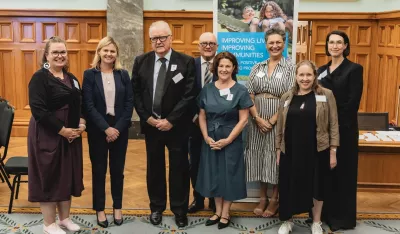
Expert Panel: Growing healthy, resilient children in the digital age
2 min read

Expert Panel: Growing healthy, resilient children in the digital age

July 30, 2026

As New Zealand follows other countries like Australia and considers the possible introduction of social media restrictions for under 16-year-olds, credible, evidence-based parenting support must be part of a wider response to tackling online digital harm.

Read more

How Triple P helped Kayla create a calmer, more connected home
4 min read

How Triple P helped Kayla create a calmer, more connected home

July 29, 2026

How positive parenting helped one working mum grow closer to her daughter, rediscover the joy of parenthood and build stronger relationships with whānau.

Read more

Rekindling whānau confidence: Ardie’s perspective of Triple P
3 min read

Rekindling whānau confidence: Ardie’s perspective of Triple P

July 28, 2026

After more than a decade supporting whānau, Ardie Kairua sees every day how Triple P helps families. She helps parents rediscover their confidence and create lasting change, not just for tamariki, but for parents too.

Read more

Find out who we work with and how you can use Triple P in your community

Many practitioners and professionals have been trained to offer Triple P programs to whānau/parents. This enables governments, organisations and practitioners to confidently offer whānau/families and communities effective, evidence-based solutions with positive, lasting outcomes.

If you or your organisation would like to implement Triple P in your community, please contact us.

Contact Triple P in New Zealand

Thank you for your message!

We’re here to help your family

We will reply to your email as soon as we can.
(Don’t forget to check your inbox and junk/spam emails for our reply.)

SUPPORT AND TRAINING FOR PROFESSIONALS

We don’t just support whānau/parents. Our training and professional courses support the people helping whānau/parents, too.

Provider Training
There are three elements to our trainer courses:

  • Training Days
  • A competency-based accreditation process
  • Implementation support for practitioners and organisations

To find out more about the ways you can train with Triple P, click here.

PECE Program
A programme for early years educators and those working in nursery settings. The course supports staff to build strong relationships with tamariki/children and promote self-regulation.